
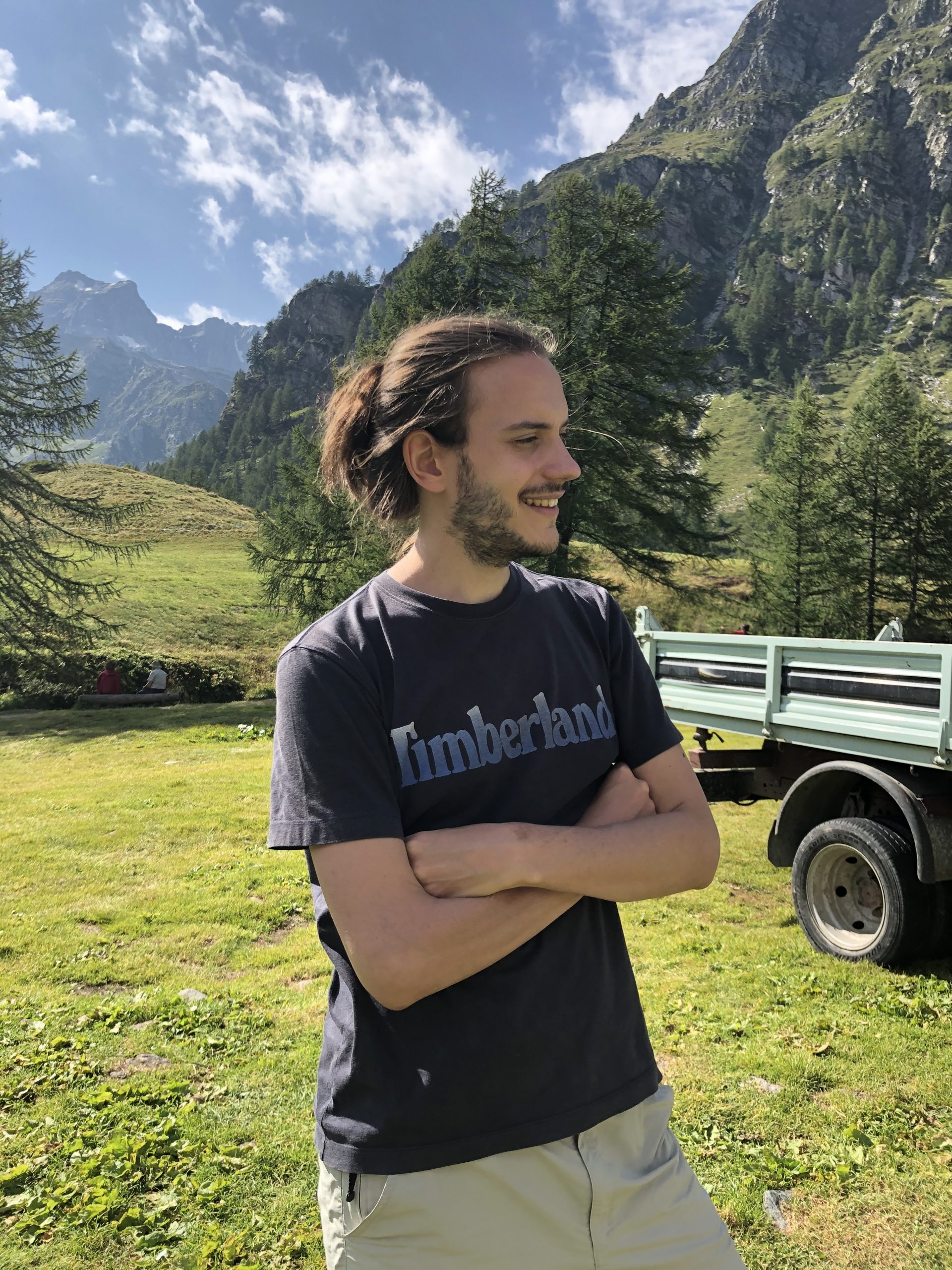
Marco, di cosa ti occupi nella tua ricerca?
Mi occupo di Analisi Geometrica, un settore della Matematica in cui idee e strumenti propri dell’Analisi Matematica, come il limite, la derivata o l’integrale, vengono impiegati risolvere problemi che riguardano oggetti che si incontrano in Geometria, come curve o superfici. Da un punto di vista storico, quello che oggi chiamiamo Analisi Geometrica ha le sue radici nella teoria fondata da Gauss e Riemann nella seconda metà del 1800. Durante il '900, la geometria di Gauss e Riemann ha visto moltissimi sviluppi in varie direzioni, anche perche' ha trovato diverse applicazioni, come ad esempio nella formulazione della Teoria della Relatività Generale.
I problemi in Analisi Geometrica molto spesso coinvolgono quantità come la lunghezza di una curva, o l’area di una superficie, o vari modi di calcolare la curvatura di un oggetto geometrico, tutte quantità che vengono definite e trattate con gli strumenti dell’Analisi.
Ci sai fare un esempio di un problema che si studia in Analisi Geometrica?
Certo! Posso fare un esempio di un problema a cui ho dedicato parecchio tempo negli ultimi anni, si tratta del cosiddetto problema isoperimetrico. Nella formulazione più tradizionale, il problema pone la seguente domanda: tra tutte le figure geometriche in un piano aventi un certo perimetro, qual `e quella che racchiude l’area maggiore? In pratica, se abbiamo una corda di una certa lunghezza fissata, appoggiata su un pavimento, ci stiamo chiedendo che forma possiamo darle in modo che quella corda racchiuda più area possibile. Spoiler... la risposta è : un cerchio!
Il problema isoperimetrico e la sua soluzione sono argomenti classici nel cosiddetto Calcolo delle Variazioni, una parte dell’Analisi in cui i problemi riguardano proprio il massimizzare o minimizzare certe quantità. Rimangono comunque molte domande aperte, in particolare se si vuole studiare questo problema su una superficie che non è più piatta, come lo è il piano, ma è invece curva. L’interazione tra problema isoperimetrico e geometria dello spazio in cui viene studiato è estremamente ricca, e non ancora del tutto compresa.
Ci dici qualcosa del tuo percorso di studi? La Matematica è sempre stata una tua passione?
Decisamente no! In effetti, ho conseguito la laurea triennale proprio qui al Politecnico in Ingegneria Fisica (da adolescente avevo le idee piuttosto confuse...). Fortunatamente durante i primi anni ho avuto alcuni ottimi matematici come professori, che mi hanno fatto avvicinare alla materia, oltre al mio relatore di tesi triennale, che mi ha incoraggiato molto a seguire le mie passioni. Così, capito che la Matematica mi interessava molto di più, mi sono trasferito a Pisa per la magistrale e il dottorato, e lì ho iniziato a studiare Analisi Geometrica e ho conosciuto molti dei miei attuali collaboratori.
La figura del professore sembra importante in questa storia...
Lo è eccome! Oltre alle competenze, le idee e l’approccio che un insegnante trasmette, anche al livello universitario, possono cambiare uno studente. Credo che l’insegnamento sia una grossa responsabilità e che dovremmo prendere molto seriamente le idee che tramandiamo ai nostri studenti.
A te piace insegnare? Che consigli daresti a uno studente interessato alla Matematica?
Sì mi piace molto insegnare! L’unico consiglio che darei a uno studente interessato alla Matematica, così come a qualsiasi studente, è di divertirsi. Ovvero di spendere il proprio tempo per la materia che davvero lo attira, lo incuriosisce, lo soddisfa, e nel processo lo fa divertire.
Quali sono le tue passioni, oltre a alla matematica?
Oltre alla matematica, mi piace molto andare in montagna. Mi divertono i giochi di magia con le carte, e gioco a scacchi, anche se devo ammettere che sono ancora piuttosto scarso!