
Parlaci di te e di come è nato il tuo interesse per la matematica.
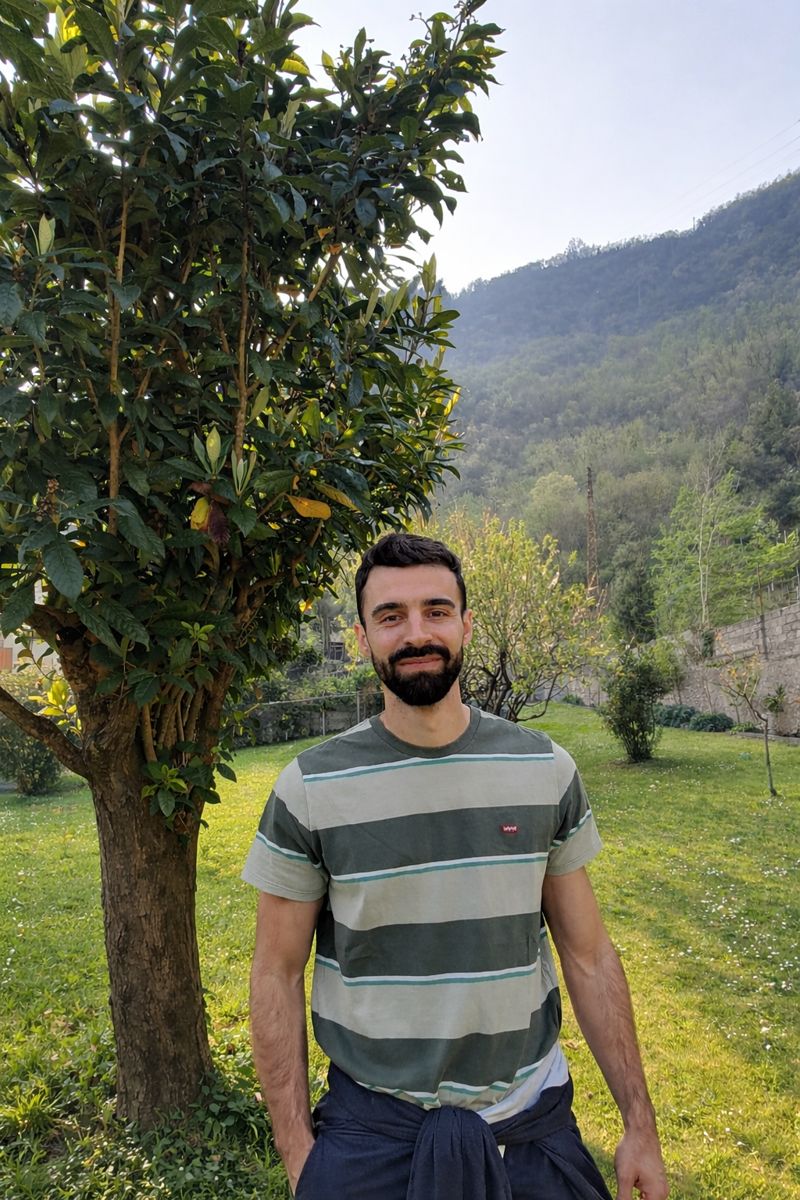
Mi chiamo Alessio Falocchi e sono da poco professore associato presso il Dipartimento di Matematica del Politecnico di Milano. La matematica ha iniziato a incuriosirmi ai tempi del liceo, ma non si è trattato di una passione immediata. Piuttosto mi rendevo conto che mi offriva una sorta di soddisfazione: il risultato era giusto o sbagliato, senza margine per incertezze.
All’università mi sono iscritto ad ingegneria e col tempo ho capito che il mio interesse era rivolto più ai corsi legati alla matematica. Così, dopo la laurea, ho deciso di intraprendere il dottorato di ricerca in matematica applicata, grazie ad un’opportunità al Politecnico di Milano.
Nello specifico quali problemi applicativi hai studiato?
Durante il dottorato mi sono occupato di modelli matematici per ponti sospesi. L’obiettivo era spiegare, attraverso equazioni differenziali alle derivate parziali, particolari fenomeni oscillatori che si sono osservati su queste strutture. Un caso emblematico, noto anche per i numerosi video disponibili online, è quello del Tacoma Narrows Bridge, il cui crollo fu causato dall’insorgere di ampie oscillazioni torsionali.
Tali fenomeni dipendono anche dalle condizioni esterne a cui il ponte è soggetto: in particolare, il vento svolge un ruolo cruciale, rendendo necessario lo studio di modelli di interazione fluido–struttura.
Ti sei occupato anche di problemi di interazione fluido-struttura?
Sì, ho iniziato ad occuparmi di problemi legati ai fluidi e all’interazione di essi con le strutture durante l’assegno di ricerca presso il Politecnico di Torino, per poi proseguire come ricercatore al Politecnico di Milano. Oggi questo rappresenta il tema principale delle mie ricerche; in tale contesto, faccio parte del Progetto di Eccellenza, linea 1 “Fluid-structure interactions”, con cui il Dipartimento di Matematica è stato premiato dal Ministero.
Come si inseriscono questi studi nella comunità scientifica?
La comunità scientifica su questi temi è molto ampia e attiva. Uno dei problemi del millennio riguarda proprio le equazioni di Navier–Stokes, che descrivono il moto dei fluidi (aria, acqua, ecc.). Ad oggi non è stato ancora dimostrato in tre dimensioni, per dati iniziali arbitrari e fisicamente realistici, se le soluzioni delle equazioni di Navier–Stokes possano sviluppare singolarità in tempo finito o siano regolari e globali nel tempo. Una soluzione del problema chiarirebbe le basi teoriche della turbolenza, uno dei fenomeni più complessi della fisica e, rappresenterebbe un risultato straordinario per l’analisi matematica.
Oltre alla ricerca insegni?
Sì, insegno Analisi matematica 1 e Metodi Analitici e Numerici per l’Ingegneria. Sono corsi che mi appassionano per diversi motivi: il primo per l’entusiasmo dello studente al primo anno che si approccia ad uno studio rigoroso della matematica, il secondo per la maturità degli studenti al terzo anno che possono toccare con mano le tante applicazioni della matematica.
Che consiglio daresti ad uno studente che vuole intraprendere un percorso di ricerca?
La ricerca in matematica è molto impegnativa, per cui è fondamentale una forte passione e, soprattutto nella fase iniziale, un supervisor che sappia orientare il neo ricercatore. Durante il percorso si ha la possibilità continua di arricchirsi, anche conoscendo studiosi da tutto il mondo. Allo stesso tempo sono frequenti i momenti di sconforto: può capitare che si pensi per giorni ad una dimostrazione senza trovare la soluzione e poi, magari, basta un’escursione in montagna ed… ecco l’illuminazione!
Quali sono i tuoi hobby?
I miei hobby sono legati soprattutto allo sport e alla natura. Essendo nato in Valle Camonica ho una forte passione per la montagna e il trekking, che per me rappresentano un modo per staccare la mente. Pratico sport da sempre: ho giocato a pallavolo come centrale a livello amatoriale e seguo con grande interesse l’atletica, in particolare il salto in alto, in cui è coinvolto direttamente mio fratello come atleta professionista.