
Alexander R. A. Anderson
Director, Center of Excellence in Evolutionary Therapy,
Richard O. Jacobson Distinguished Endowed Chair,
Integrated Mathematical Oncology Department,
H. Lee Moffitt Cancer Center & Research Institute
Alexander R. A. Anderson, PhD is Founding Richard O. Jacobson Chair of the Integrated Mathematical Oncology (IMO) Department and Director of the Center of Excellence for Evolutionary Therapy at Moffitt Cancer Center. Since his arrival at Moffitt Cancer Center in 2008, to establish the IMO department, cancer treatment has become a significant driver of his research and using mathematical models that connect our basic science understanding of a given cancer with clinical translation. This has led to the development of evolutionary therapies that seek to control cancer rather than eradicate it. Through smart treatment scheduling and dosing, with combination therapies as well as microenvironment targeted treatments, he has developed novel strategies for prostate, breast, lung and skin cancer treatment. As director for the 1st center of Evolutionary Therapy he has helped facilitate 10 active evolutionary clinical trials at Moffitt that use mathematical models as part of their decision process. Through the development of digital twins based on explicit patient treatment response dynamics and mathematical modeling he has predicted clinical trial outcomes (Phase i trials) and optimized individual patient treatment decisions in the Evolutionary Tumor Board (ETB).
Title: Phase i trials in cancer: from board to bench to bedside and back again
Abstract: Cancers are complex evolving systems that adapt to therapeutic intervention through a suite of resistance mechanisms, therefore whilst the maximum tolerated dose (MTD) therapies generally achieve impressive short-term responses, they unfortunately give way to treatment resistance and tumor relapse. The importance of evolution during cancer treatment is becoming more widely accepted. However, MTD treatment strategies continue to dominate precision oncology. Adaptive therapy is an evolutionary therapy that aims to slow down the emergence of drug resistance by controlling tumor burden through competition between drug sensitive and resistant cell populations. This approach was developed through mathematical model driven insights and has been shown to work in preclinical animal models (prostate, ovarian, melanoma, breast) and in pilot clinical trials (NCT02415621; NCT05189457; NCT03543969). In this talk we will discuss how mathematical models and machine learning can be used to optimize treatment strategies, including adaptive therapy, and drive Phase i (imaginary) trials. We will highlight how mathematical model driven digital twins can: (i) Integrate patient variability; (ii) Bridge between bench and bedside; (iii) Be calibrated from historic clinical data; (iv) Drive Phase i trials; (v) Stratify and optimize treatment; (vi) Predict novel trial outcomes.
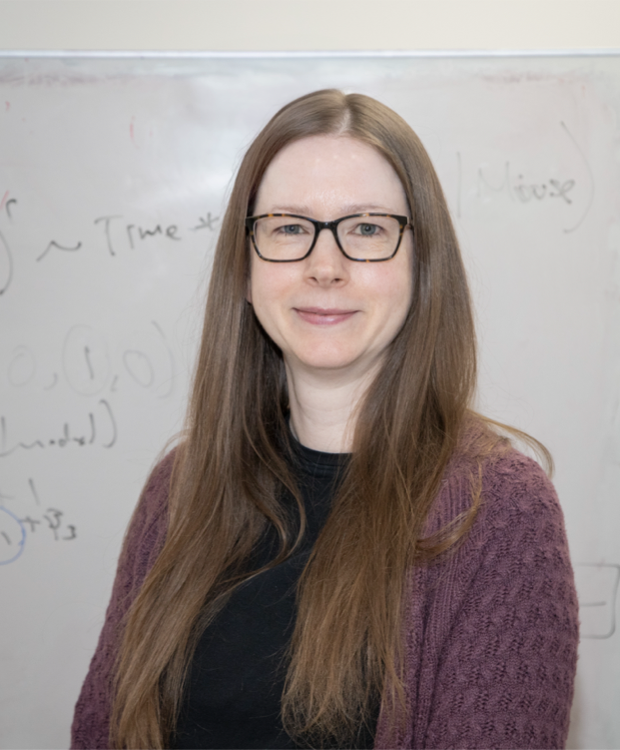
Jessica Barrett
Research Professor at MRC Biostatistics Unit,
University of Cambridge
Jessica Barrett is a Research Professor at the MRC Biostatistics Unit, University of Cambridge. She leads a programme of research within the Precision Medicine theme which focuses on statistical methods for the analysis of multi-outcome data. A particular area of interest is the prediction of health outcomes using routinely collected health data when a disease is dynamically evolving over time. Her research encompasses the development of novel data science methodology and applications to substantive clinical questions, with ongoing work in cardiovascular disease, heart failure, cystic fibrosis and vasculitis, and motivated by collaborations with data scientists, epidemiologists, public health experts and clinicians.
Title: Using electronic health records for healthcare research: potentials and pitfalls
Abstract: Routinely collected healthcare data is becoming more commonly used for healthcare research. The increasing availability of such data promises advantages in the shape of largescale, representative data, but also brings many challenges which require statistical innovation. I will highlight some of these promises and challenges using three examples illustrating the use of routinely collected data, including modelling lung function trajectories of cystic fibrosis patients, dynamic prediction of rehospitalization risk for patients admitted to hospital with heart failure and the use of multi-state modelling to characterize disease transitions for patients with multimorbidity.
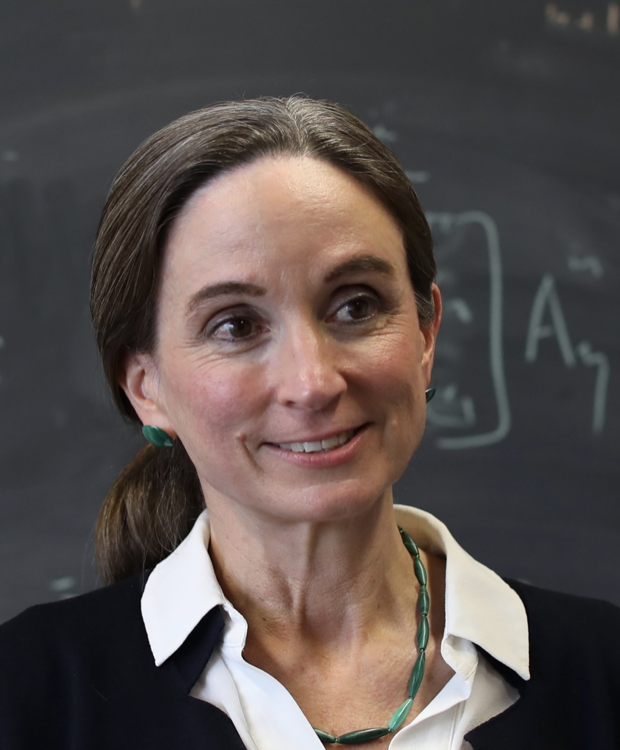
Kathryn Hess Bellwald
Full Professor, Brain Mind Institute and Mathematics Institute, EPFL
Kathryn Hess Bellwald received her PhD in algebraic topology from MIT and held positions at the universities of Stockholm, Nice, and Toronto before moving to the EPFL, where she is now full professor of mathematics and life sciences. Her research focuses on algebraic topology and its applications, primarily in the life sciences. In her work in applied topology, she has elaborated methods based on topological data analysis for high-throughput screening of nanoporous crystalline materials, classification and synthesis of neuron morphologies, analysis of the structure and function of networks of neurons, and detection of cyclic cell processes in single-cell data. In 2016 she was elected to the Swiss Academy of Engineering Sciences and was named a fellow of the American Mathematical Society and a distinguished speaker of the European Mathematical Society in 2017. In 2021 she gave an invited Public Lecture at the European Congress of Mathematicians. She was awarded the Chaire de la Vallée Poussin by the Université Catholique de Louvain-la-Neuve in 2023 and was named a fellow of the Association for Women in Mathematics in 2024.
Title: A topological and geometric pipeline for detecting and analyzing cyclic cell processes
Abstract: In this talk I will introduce CocycleHunter, a pipeline for identifying and analyzing circular structure in gene expression data, which integrates methods from topological data analysis with geometric lead-lag analysis. Our method provides a powerful, cohomology-based technique for estimating the phase of genes exhibiting cyclic expression patterns (gene cascades), which has been validated on synthetic RNA transcription models, as well as on real datasets. I’ll explain the math behind the pipeline and illustrate its application to gene expression data, providing novel insights into how cell processes intertwine. This is joint work, led by Kelly Maggs and Markus Youssef, with the collaboration of Cyril Pulver, Jovan Isa, Tâm Nguyên, Wouter Karthaus, Heather Harrington, and Paolo Dotto.
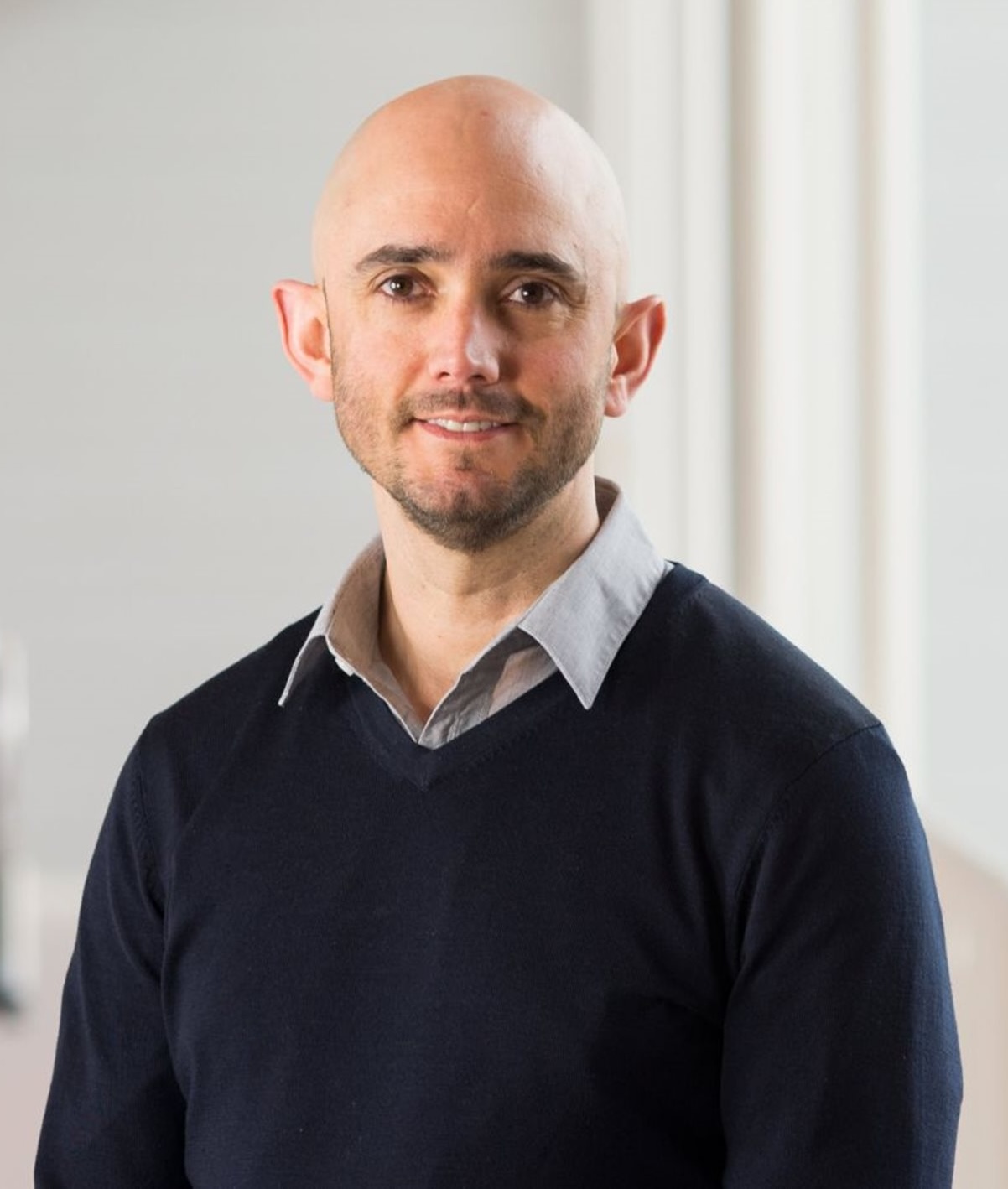
Andre Marquand
Professor - Donders Institute / Radboud University Medical Centre, Nijmegen, the Netherlands.
Andre Marquand is professor of Computational Psychiatry at the Donders Institute / Radboud UMC, where he leads the Predictive Clinical Neuroscience research group. He is the recipient of multiple prestigious awards including a consolidator grant from the European Research Council and grants from the Wellcome Trust and European Commission. He is recognised as an innovator in the field of machine learning in neuroscience and psychiatry and in particular for his contributions to (i) developing machine learning tools for analysing population level clinical, brain imaging and remote sensing data and (ii) the application of these methods to clinical datasets to stratify cohorts and predict the onset and outcome of mental disorders. In short, he aims to challenge the prevailing view of clinical conditions and develop technologies to improve the lives of individuals with mental disorders.
Title: Combining statistical and machine learning innovations with big data for predicting mental health
Abstract: Neuroscience and mental health science has now transitioned into the era of big data and is witnessing an explosion of the number and types of measures that are measured in clinical populations. This has given rise to the emerging field of population neuroscience, which holds potential to improve prediction of disease states in many clinical conditions. However, achieving this objective places increasing demands on the statistical and machine learning methodology that are used to analyse these cohorts, namely to understand population variation in imaging derived markers and their relationship between environmental and behavioural factors. In this talk I will describe statistical innovations that enable us to make progress in this domain, including brain charting techniques that allow us to chart variability at the level of each individual, techniques rooted in the statistics of extremes that allow us to reconceptualise pathology as extreme deviations from an expected pattern and innovative timeseries analysis methods for quantifying behaviour and environment based on passive smartphone monitoring and remote sensing satellite data. I will illustrate this discussion by showing applications of these methods to cross-diagnostic psychiatric cohorts and I will argue that these innovations provide a principled method to move beyond simple statements about group averages and can provide a way to dissect the inherent heterogeneity in mental disorders, ultimately paving the way to earlier and personalised interventions.

Charles Taylor
Professor, Department of Internal Medicine,
W.A. "Tex" Moncrief, Jr., Chair in Computational Medicine, Oden Institute for Computational Engineering & Sciences,
Director, Center for Computational Medicine, Dell Medical School
Dr. Taylor is the W.A. “Tex” Moncrief, Jr., Chair in Computational Medicine, Professor, in the Department of Internal Medicine and the Oden Institute for Computational Engineering and Sciences and Director of the Center for Computational Medicine at the University of Texas at Austin. Dr. Taylor is Founder of HeartFlow Inc, and was Chief Technology Officer from 2010 to 2021 and then Chief Scientific Officer from 2021 to 2023. Previously, he was an Associate Professor in the Departments of Bioengineering and Surgery at Stanford University. He is internationally recognized for his pioneering work in combining computer simulation methods with medical imaging data for patient-specific modeling of blood flow to aid in the diagnosis and treatment of cardiovascular disease. Dr. Taylor has published over 450 peer-reviewed journal and conference papers and has over 300 issued patents worldwide. He received his B.S. degree in Mechanical Engineering, M.S. degree in Mechanical Engineering and M.S. degree in Mathematics from Rensselaer Polytechnic Institute and a Ph.D. in Mechanical Engineering from Stanford University. Charles was elected to the U.S. National Academy of Engineering in 2024.
Title: Patient-specific modeling of blood flow in arteries: from the academy to the clinic
Abstract: Patient-specific computational models of blood flow in arteries derived from medical imaging data have generated significant interest since they were introduced 30 years ago. This is a new approach in medicine whereby predictive computational models can be used to evaluate and select alternate treatment strategies. Patient-specific models of coronary artery blood flow constructed from coronary CT angiography (cCTA) images leveraging deep learning A.I. methods and using computational fluid dynamics have transformed the diagnosis of heart disease. Such noninvasive, computational models have provided safer, less expensive and more efficient procedures as compared to the standard of care that often involves nuclear imaging and invasive cardiac catheterizations. Such image-based computations require an accurate segmentation of the coronary artery lumen from cCTA images and employ biologic principles relating form (anatomy) to function (physiology). HeartFlow developed a non-invasive test, FFRCT, based on computing flow and pressure in the coronary arteries. FFRCT has been validated against invasive pressure measurements in more than 1000 patients and demonstrated to improve care in over 100 clinical studies enrolling more than 100,000 patients. At present, FFRCT has been used for routine clinical decision making in more than 1500 hospitals that have served over 600,000 patients in the United States, Europe, and Japan. In the United States, the American College of Cardiology and the American Heart Association guidelines include FFRCT in the recommended diagnostic pathway for heart disease. New products including AI-enabled software for quantifying coronary anatomic narrowings, quantifying coronary atherosclerotic plaque, and predicting changes in blood flow arising from alternate treatment plans will be discussed. Future opportunities for research in developing and applying cardiac digital twins for diagnosing and treating cardiovascular diseases will be presented.