Monday
9th November
13:45 - 14:00
Opening
14:00 - 14:50
Plenary 1: P. Goatin
14:50 - 15:40
15:40 - 16:10
Coffee Break
16:10 - 17:00
17:00 - 17:45
Poster blitz
17:45 - 19:30
Poster exhibition & Cocktail party
This workshop aims to highlight the essential role of mathematics in understanding and tackling the challenges facing our planet. Leading experts will explore a range of topics, which include (but are not limited to):
Participants will discover cutting-edge mathematical approaches that provide valuable insights for protecting and preserving our planet.
This workshop is part of the Department of Excellence 2023-27 activities.
| Scientific Committee |
| Department of Mathematics, Politecnico di Milano |
| Luca Formaggia |
| Alessio Fumagalli |
| Andrea Manzoni |
| Daniele Marazzina |
| Edie Miglio |
| Simona Perotto |
| Simone Vantini |
| Marco Verani |
| Organizing Committee |
| Department of Mathematics, Politecnico di Milano |
| Michele Azzone |
| Michele Botti |
| Gabriele Ciaramella |
| Carlo De Falco |
| Ilario Mazzieri |
| Alessandra Menafoglio |
| Anna Scotti |
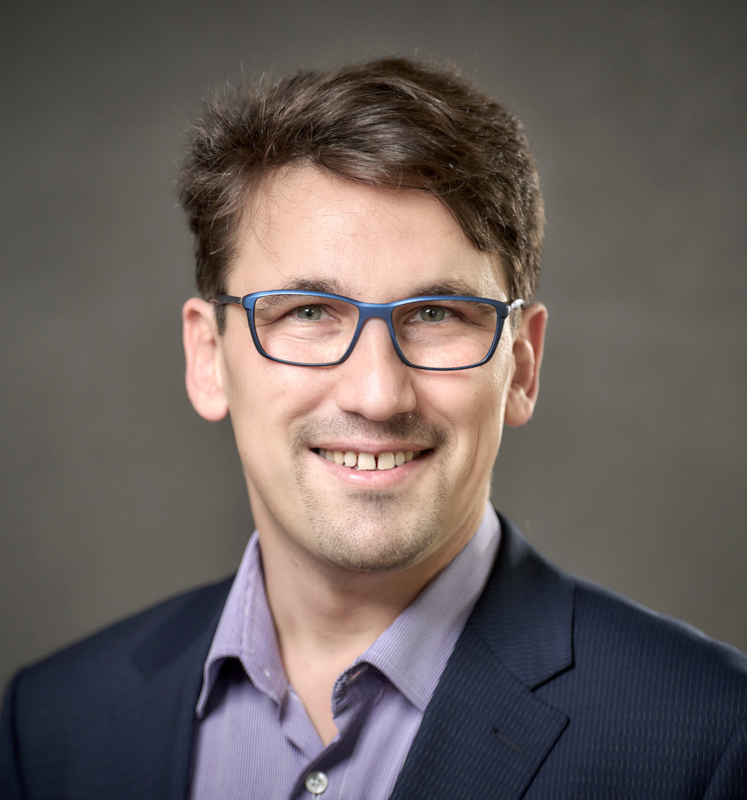 Speaker: David GINSBOURGER
Title: The Many Lives of Gaussian Processes
Abstract: Beyond their foundational roots in statistical and stochastic process theory, Gaussian processes (GPs) are now central to a versatile and widely used framework spanning applied mathematics and probabilistic machine learning. Despite well-known limitations, GP-based methods continue to show remarkable adaptability, often outlasting shifting methodological trends. In this talk, I will highlight developments in modeling, prediction, and active learning with GPs, offering perspectives on their enduring role as a powerful building block for function approximation and uncertainty quantification.
Bio: David Ginsbourger, Professor at University of Bern
David is a professor of statistical data science at the university of Bern, Switzerland, where he currently serves as director of the institute of mathematical statistics and actuarial science.
With a background blending mathematics, engineering, and some excursions in game theory, he defended his PhD in 2009 on multiple metamodels for function approximation and global optimization.
His trajectory led him to meet mathematicians and stochastic hydrologists in Neuchâtel, statisticians and probabilists in Bern, machine learners in Martigny, and many other colleagues also from climate, medicine, biology, physics and further domains calling for developments in Uncertainty Quantification and related fields.
Email: david.ginsbourger@unibe.ch
Homepage: https://ginsbourger.github.io
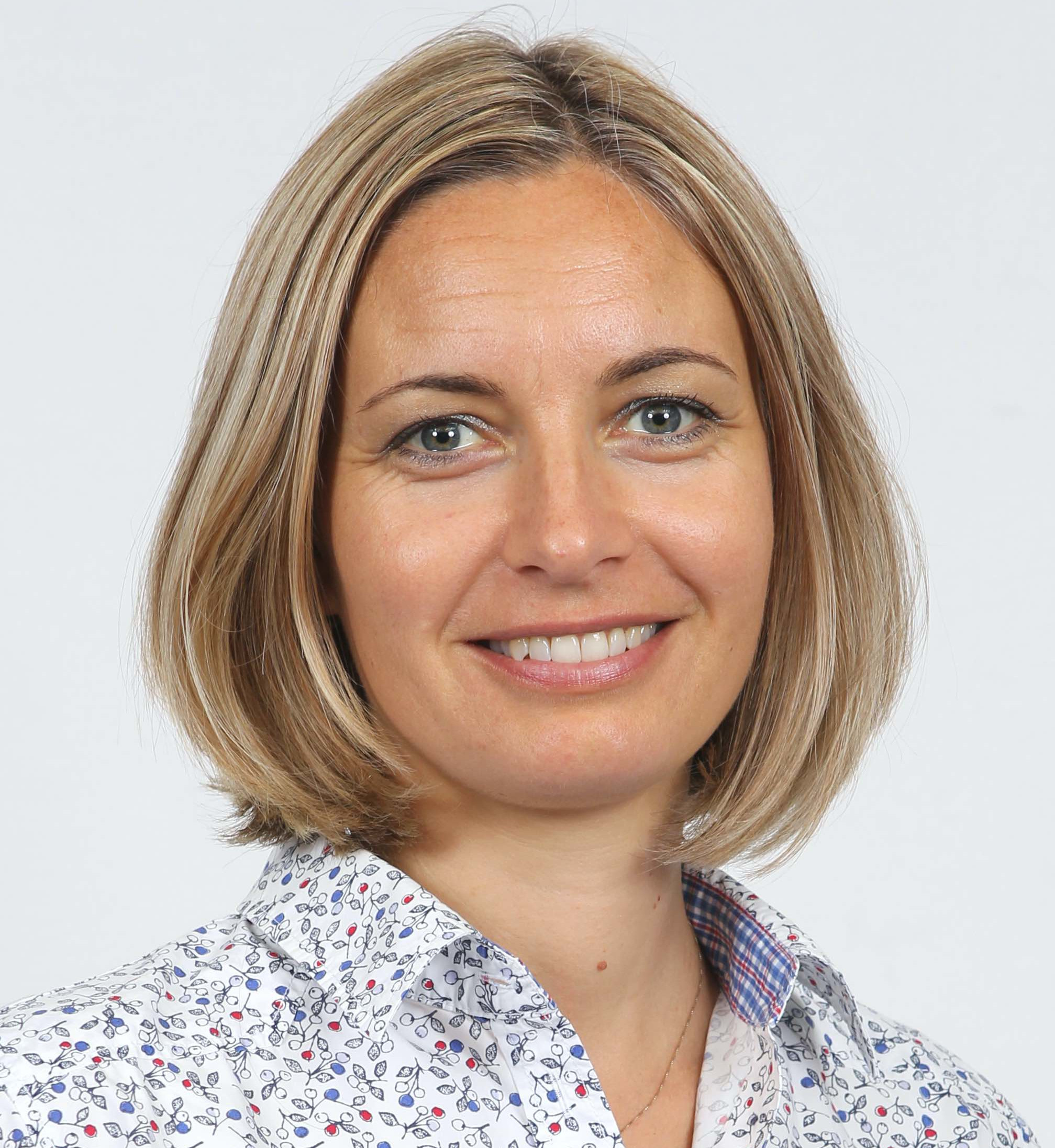 Speaker: Paola GOATIN
Title: Reducing Congestion and Emissions with Mixed Automated Traffic
Abstract: The foreseen deployment of Connected and Automated Vehicles (CAVs) on public roads opens the perspective of reducing the social and environmental impacts of traffic congestion using CAVs as optimal control actuators, operating as variable speed limiters on the surrounding flow. In this talk, we will review recent mathematical models accounting for mixed automated and human-driven vehicle interactions, and we will illustrate some control strategies to improve density dependent traffic performance indexes, such as total travel time, fuel consumption and CO2 emissions. Simulation results support the attractive perspective of exploiting a very small number of vehicles as endogenous control actuators to regulate traffic flow on road networks, providing a flexible alternative to traditional control methods.
Bio: Paola Goatin, Senior Researcher at the Inria Centre of Université Côte d’Azur
Paola Goatin received the M.Sc. degree in mathematics from University of Padua (Italy) in 1995, the Ph.D. in Applied Mathematics from SISSA-ISAS (Trieste, Italy) in 2000 and the Habilitation in Mathematics from Toulon University in 2009. She is currently Senior Researcher at the Inria Centre of Université Côte d’Azur (France) and leader of the project-team ACUMES (Analysis and Control of Unsteady Models for Engineering Sciences). Before joining Inria in 2010, she held an Applied Mathematics Associate Professorship at Toulon University. She is the author of more than 90 journal papers and 37 conference proceedings. Her research interests include hyperbolic systems of conservation laws, finite volume numerical schemes, macroscopic traffic flow models, and PDE-constrained optimization. From 2010 to 2016, she held an ERC Starting Grant on “Traffic Management by Macroscopic Models.” In 2014, she was awarded the Inria—French Science Academy Prize for Young Researchers and in 2025 she was appointed Chevalier de l’Ordre National du Mérite.
Email: paola.goatin@inria.fr
Homepage: https://www-sop.inria.fr/members/Paola.Goatin
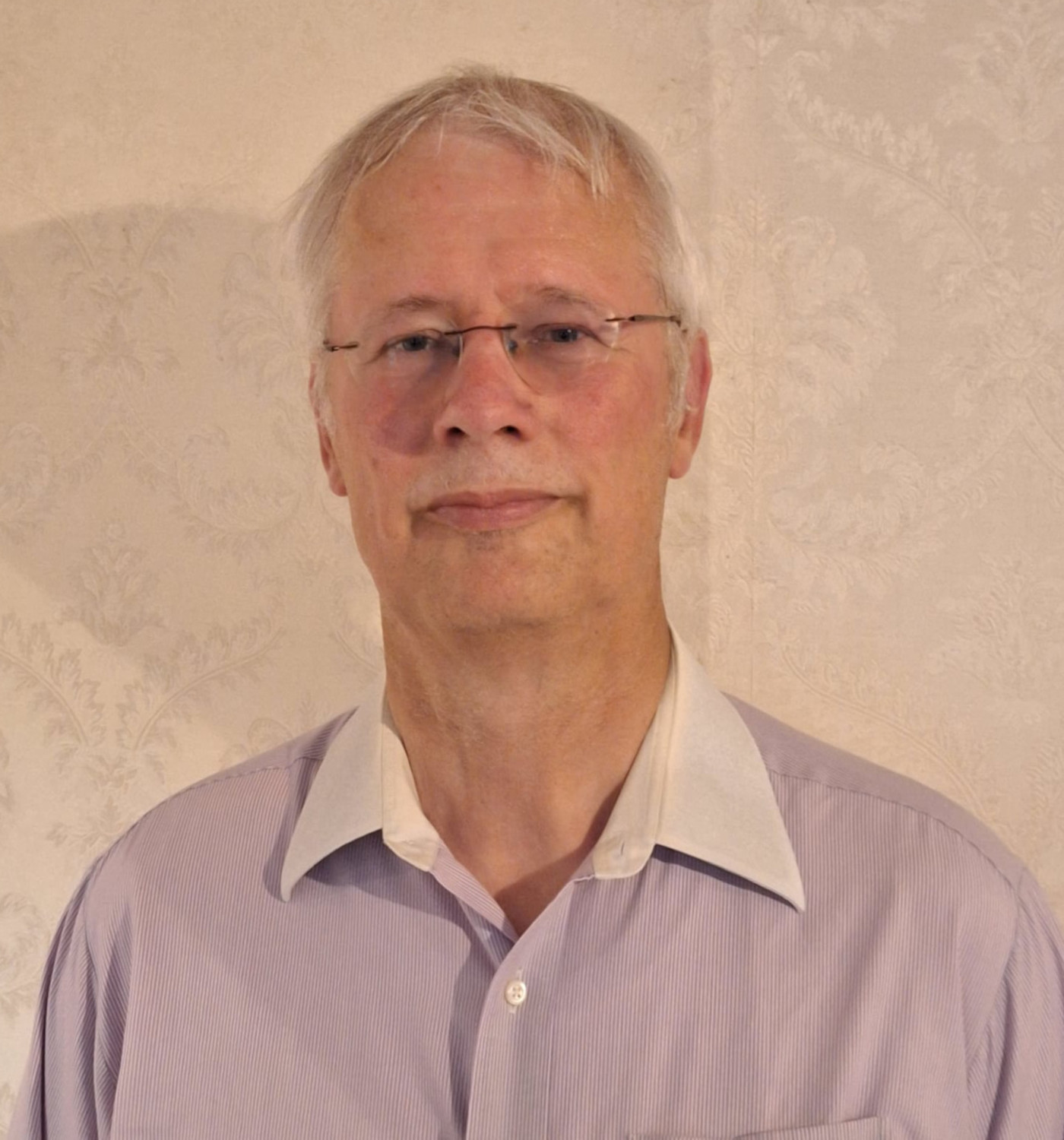 Speaker: Ep HEUVELINK
Title: Mathematical models for crop growth, development and yield in controlled environment agriculture
Abstract: In controlled environment agriculture (CEA), i.e. greenhouses and vertical farms, mathematical models for crop growth, development and yield are applied. These models are used for climate control, crop monitoring, decision support systems, prediction and planning of production, plant phenotyping and ideotyping and they can bridge the gap between genotype and phenotype. For many crops such models exist, with different complexity. Process-based models (PBMs) are based on mechanistic understanding of the environmental regulation of plant physiological processes and its consequences for crop growth, development and yield. They contain often many parameters and are difficult to parameterize. Downscaling to gene level is hardly possible due to lack of mechanistic understanding, whereas upscaling to region or global level is difficult due to heterogeneity. On the other hand, machine learning (ML) is a popular tool for yield prediction. However, ML needs large datasets for training and because of its black-box nature extrapolation is difficult and parameters cannot be interpreted. We advocate the combination of PBMs and ML into knowledge- and data-driven modelling (KDDM) with high prediction accuracy as well as good interpretability.
Here the role of crop models in CEA, is presented and discussed. Even simple PBMs can help in plant breeding. For instance, yield models that split yield in a few underlying components (e.g. fruit size and number of fruits, or plant biomass and harvest index). Quantitative trait loci (QTL), simply said DNA positions that control the target trait, for yield components instead of yield itself, are expected to result in more, and more stable QTL, whereas QTL for yield components also allow for detection early in the growing season. Several examples of model applications are put in the spotlight: their role in crop physiology, monitoring by combining models and sensors, phenotyping as well as autonomous control, are discussed.
Bio: Ep Heuvelink, Associate Professor at Wageningen University & Research
Ep Heuvelink has over 35 years of experience in scientific research and education in controlled environment agriculture (CEA; greenhouses and vertical farms). He is associate professor in the Horticulture and Product Physiology group of Wageningen University. His expertise is greenhouse crop physiology and crop simulation.
Ep is frequently invited as a keynote speaker at international scientific symposia and teaches advanced intensive courses on greenhouse production and vertical farming, crop physiology and crop modelling all over the world. He (co-)authored 154 papers in refereed scientific journals, over 200 papers in professional journals and 5 books.
Email: ep.heuvelink@wur.nl
Homepage: https://www.wur.nl/en/persons/ep-heuvelink.htm
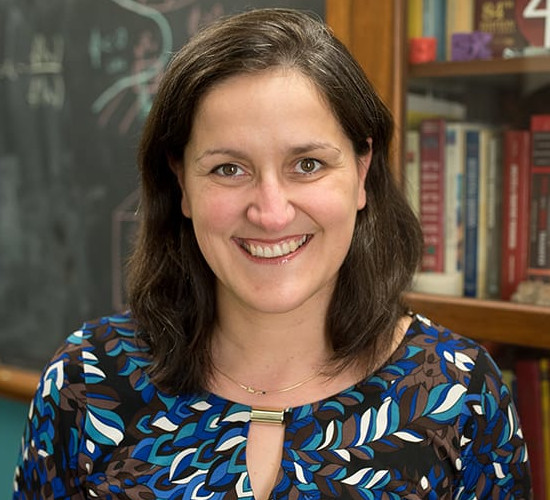 Speaker: Maša PRODANOVIĆ
Title: Modeling of foam in porous and fractured media
Abstract: Foam transport has implications for underground storage of hydrogen and carbon dioxide, which are important in reducing greenhouse gas emissions and transitioning to clean energy. Foams are dispersions of gas bubbles within a liquid. They are often generated in porous and fractured media during co-injection of two fluids in the presence of a surfactant that lowers the surface tension to create and stabilize foam bubbles. Since foam viscosity is much larger than that of gas, foam is beneficial for ensuring that injected gas reaches less permeable parts of the reservoir while at the same time delivering a high gas volume fraction. This mobility control is very important for improving carbon dioxide sequestration or utilization in subsurface.
We have developed and validated a new 2D and 3D model for foam propagation that incorporates fundamental mechanisms within the detailed geometry of a porous medium. The foam propagation is modeled using a lattice Boltzmann model that couples the momentum equation for liquid flow and the advection-diffusion equation for gas diffusion. To our knowledge, this is the first model with the foam flow driven by pressure gradient in a fractured / porous medium, gas diffusion through liquid phase and the interface changes as a result due to both of those mechanisms at pore scale. The model is validated against microfluidic experiments from literature. We quantify, for the first time, detailed pressure and velocity spatial changes that lead to foam bubbles splitting or wiggling while moving through the complex pore scale geometry. Depending on the injection conditions, we correctly capture foam bubble wiggling or splitting (into multiple bubbles) through pore throats. We describe individual bubble behavior in parametric space and ultimately derive foam rheology in porous media and rough fractures from the first principles.
Last but not the least, high quality imaged data is essential to this type of pore scale modeling. Images obtained via X-ray computed (micro)tomography and microscopy combined with simulation and machine learning enable extraction of key transport properties of porous or fractured media regardless of their complexity. We have developed the Digital Porous Media Portal (https://www.digitalporousmedia.org), where we curate diverse datasets. Formerly known as the Digital Rocks Portal, the platform is hosted at Texas Advanced Computing Center and has evolved into an integrated environment that hosts both data and analysis. Everyone is invited to contribute to and learn on the platform.
Bio: Maša Prodanović, Professor at The University of Texas at Austin
Maša Prodanović is the Frank W. Jessen Professor and Associate Department Chair in the Hildebrand Department of Petroleum and Geosystems Engineering at The University of Texas at Austin. She holds a PhD in Applied Mathematics and Statistics and has expertise in direct simulation of flow and particulate transport in porous and fractured media; characterization of porous materials, particularly through 2D and 3D imaging of rock microstructures; unconventional resources; and data curation. She is the principal investigator of the Digital Porous Media Portal for open data and open science (https://www.digitalporousmedia.org/).
Her work has been recognized with numerous awards, including the InterPore Medal for Porous Media Research (2022), the SPE Distinguished Member Award (2021), and the EAGE Alfred Wegener Award (2021), among others. She has also held several elected leadership roles, serving as Chair of the InterPore Society Council (2025–2027), Chair of the Gordon Research Conference on Flow and Transport in Permeable Media (2024–2026), Chair of the SIAM Activity Group on Geosciences (2023–2024), and Program Director of the same SIAM group (2021–2022).
Email: masha@utexas.edu
Homepage: https://www.pge.utexas.edu/faculty-and-staff/masa-prodanovic/
Registration is free and open until October 31, 2026.
Speaking slots are by invitation only, but all participants are invited to contribute to the poster sessions and poster blitz by submitting a title and a short abstract (max 500 characters).
Workshop venue
Rogers Room, Building 11, Via Ampère, 2 - 20133 - Milano (MI)
Poster session venue
Exhibition Room, Building 13, Via Bonardi, 9 - 20133 - Milano (MI)
Accomodation
Some hotels, close to the conference venue, are:
21 House of Stories - Milano Città Studi
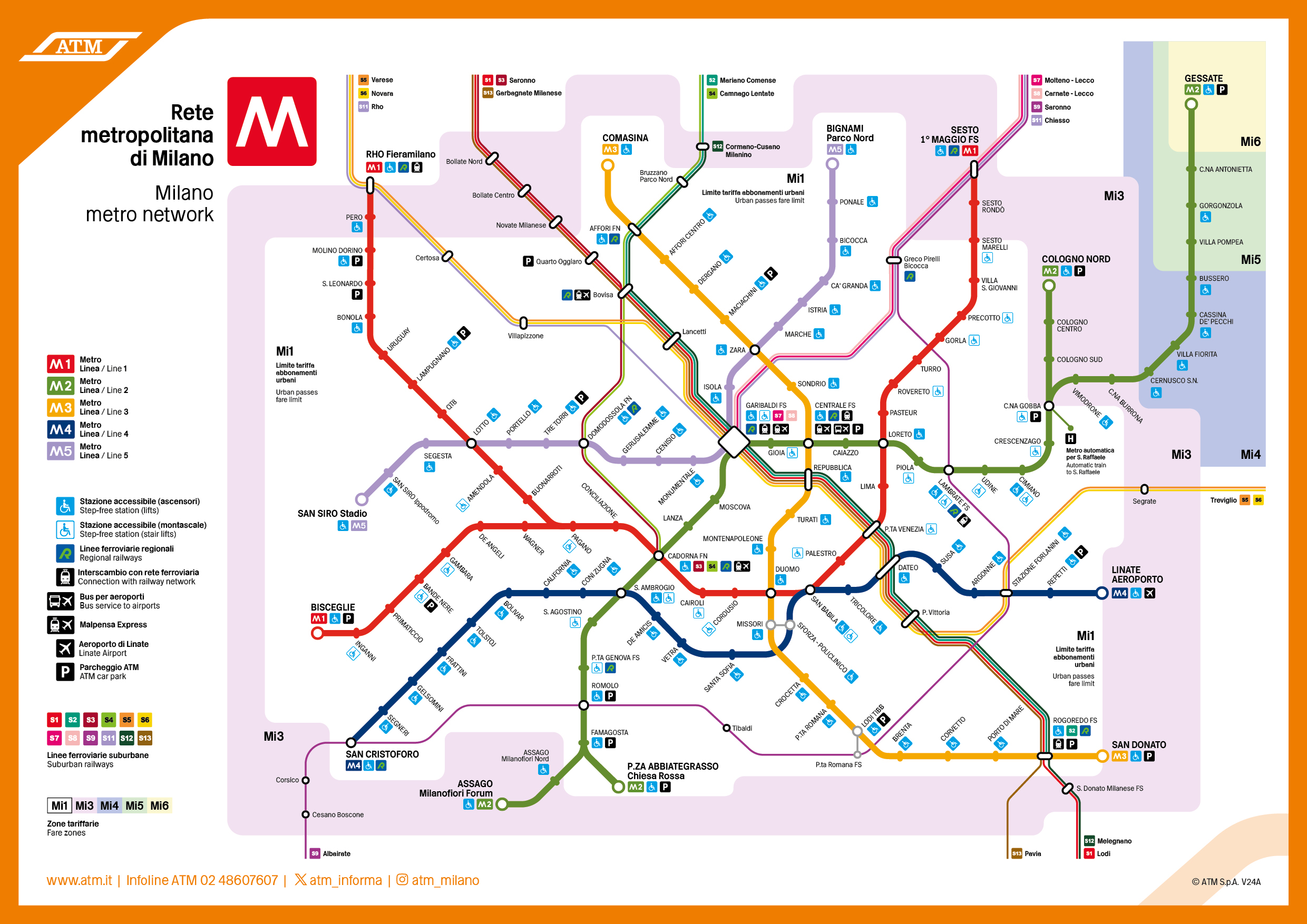
The Milano Metro map is available at here.